Top IT Disaster Recovery Strategies for Florida Businesses

In the dynamic business environment of Florida, having a robust IT disaster recovery strategy is crucial. The region's susceptibility to hurricanes and tropical storms makes it imperative for businesses to prepare for potential disruptions. Implementing effective disaster recovery strategies can help minimize downtime and protect valuable data.
Understanding IT Disaster Recovery
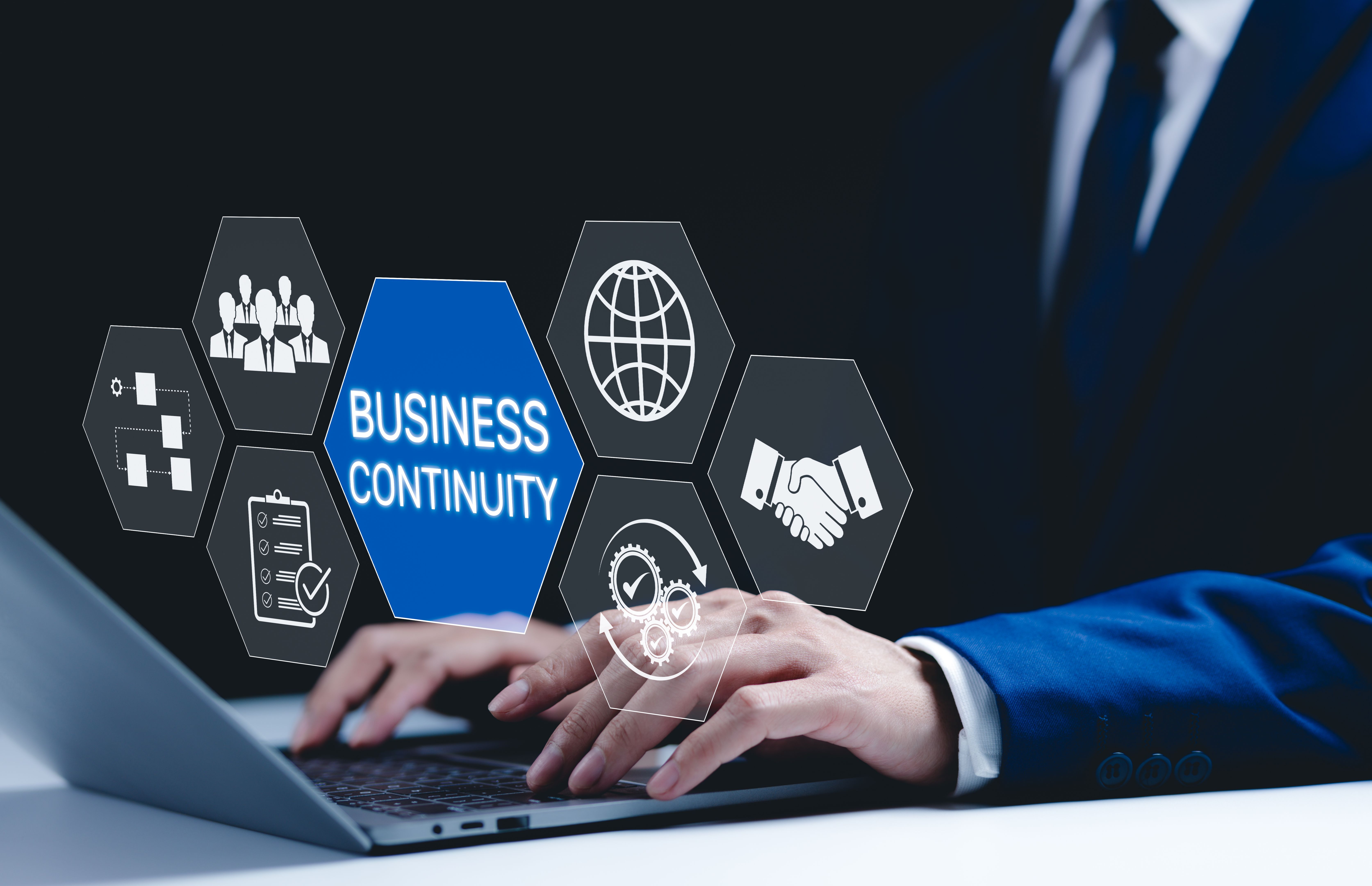
IT disaster recovery involves a set of policies and procedures that enable the recovery or continuation of vital technology infrastructure and systems following a natural or human-induced disaster. It is a component of a larger business continuity plan and focuses specifically on IT systems.
Florida businesses must consider the unique risks associated with their geographical location. The right disaster recovery strategy can make a significant difference in maintaining operations during unforeseen events.
Risk Assessment and Analysis
The first step in developing an effective disaster recovery plan is conducting a thorough risk assessment. This involves identifying potential threats and evaluating their impact on business operations. Understanding these risks allows businesses to develop targeted strategies to mitigate them.
Conduct regular audits to update your risk assessment, ensuring that your strategy evolves with emerging threats and technological advancements.
Identifying Critical Systems
Determine which systems and data are critical to your business operations. This prioritization ensures that resources are allocated effectively to protect essential components and minimize the impact of a disaster.

Backup Solutions
Having reliable backup solutions in place is a cornerstone of disaster recovery. Regularly backing up data ensures that you can quickly restore operations after a disruption. Consider these strategies:
- Offsite Backups: Store backups in a secure, remote location to protect against local disasters.
- Cloud Solutions: Utilize cloud-based backup services for scalable and flexible data protection.
- Incremental Backups: Perform regular incremental backups to reduce recovery time and data loss.
Testing and Maintenance
Regular testing and maintenance of your backup systems are essential. Conduct scheduled disaster recovery drills to ensure that your team is prepared and your systems are functioning correctly.

Communication and Training
Effective communication is vital during a disaster. Develop a communication plan that outlines how information will be disseminated to employees, stakeholders, and clients. Ensure that all relevant parties are aware of their roles and responsibilities.
Additionally, provide regular training to your employees on disaster recovery procedures. This training helps ensure a swift and organized response when a disaster occurs, reducing panic and confusion.
Partnering with Experts
Consider partnering with IT disaster recovery experts to enhance your strategy. These professionals can provide valuable insights and resources to strengthen your existing plans. They can also help with implementing advanced technologies and solutions tailored to your business needs.
By investing in expert guidance, Florida businesses can better safeguard their operations against the unpredictable challenges posed by natural disasters.