The Importance of IT Disaster Recovery Planning in Florida's Hurricane-Prone Areas


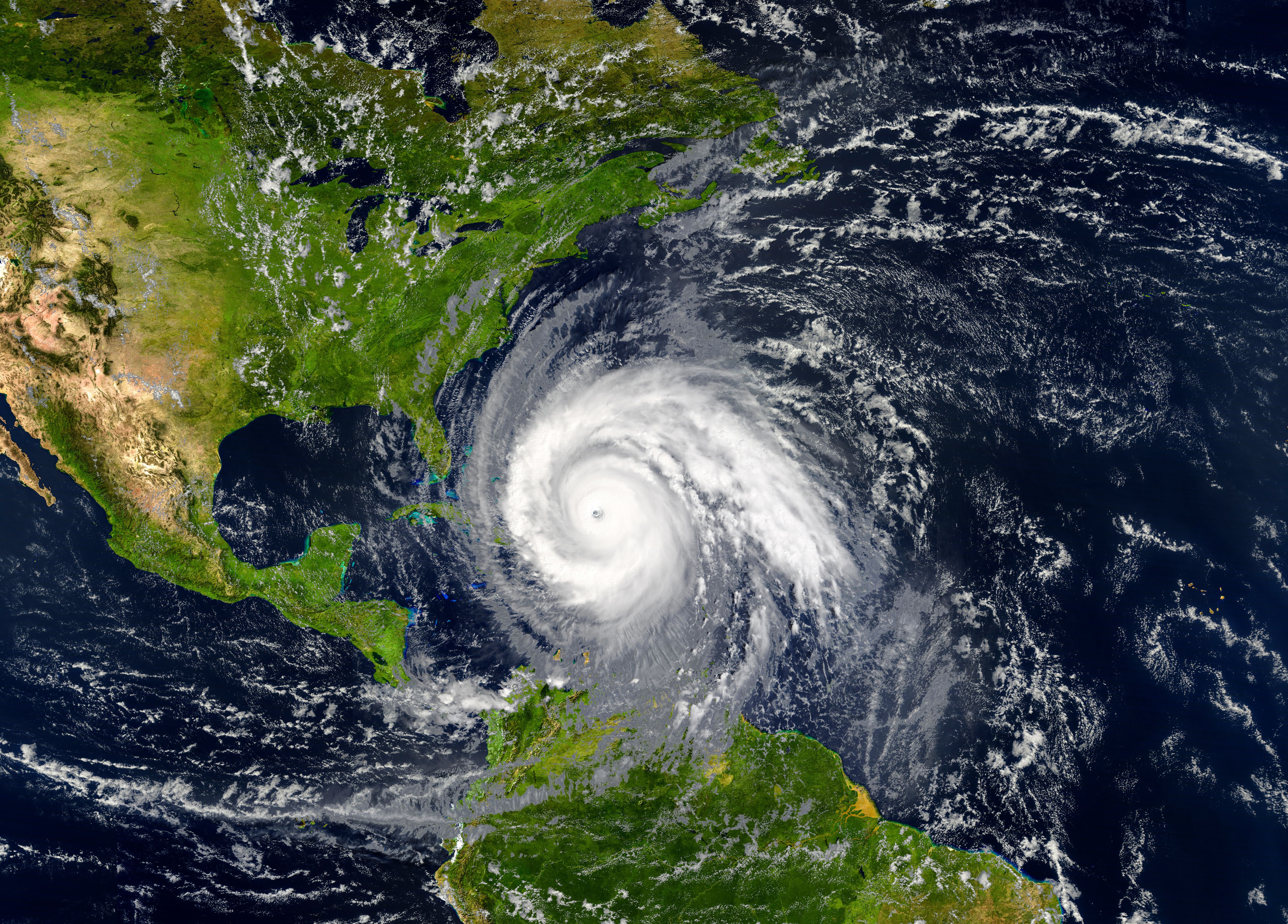
Florida is no stranger to hurricanes, and businesses in the region must be prepared for the challenges these natural disasters bring. One critical aspect of this preparation is having a robust IT disaster recovery plan. Without it, companies risk losing valuable data and facing significant operational disruptions.
Understanding IT Disaster Recovery Planning
IT disaster recovery planning involves creating a strategy to ensure that a company can quickly resume critical technology operations after a disaster. This plan includes procedures for data backup, system recovery, and communication protocols. In Florida's hurricane-prone areas, it's essential to focus on minimizing downtime and safeguarding vital information.
The Risks of Inadequate Planning
Without a proper disaster recovery plan, businesses face several risks, including:
- Data Loss: Hurricanes can damage physical servers and storage devices, leading to permanent data loss.
- Extended Downtime: Lack of preparedness can result in prolonged operational disruptions, affecting productivity and revenue.
- Reputational Damage: Failure to recover quickly can harm a company's reputation, leading to lost clients and opportunities.
Key Elements of a Disaster Recovery Plan
A comprehensive IT disaster recovery plan should include several key components:
- Data Backup: Regularly back up data and store it in multiple locations, including cloud-based solutions.
- Communication Plan: Establish clear communication channels to keep employees, clients, and stakeholders informed.
- Recovery Procedures: Develop detailed steps for restoring IT systems and applications.
- Testing and Updates: Regularly test the plan and update it as needed to address new threats and technologies.
Benefits of Effective Planning
An effective disaster recovery plan offers numerous benefits, including:
- Business Continuity: Enables a company to maintain operations and serve customers even during a crisis.
- Cost Savings: Reduces potential financial losses by minimizing downtime and preventing data loss.
- Enhanced Security: Protects sensitive information from being compromised during a disaster.

Choosing the Right Solutions
When selecting disaster recovery solutions, consider factors such as scalability, ease of implementation, and cost-effectiveness. Cloud-based services are increasingly popular due to their flexibility and ability to provide remote access. Ensure that your chosen solutions align with your business's specific needs and resources.
In conclusion, a well-prepared IT disaster recovery plan is crucial for businesses in Florida's hurricane-prone areas. By prioritizing data protection and ensuring rapid recovery, companies can safeguard their operations and maintain their competitive edge, even in the face of natural disasters.